
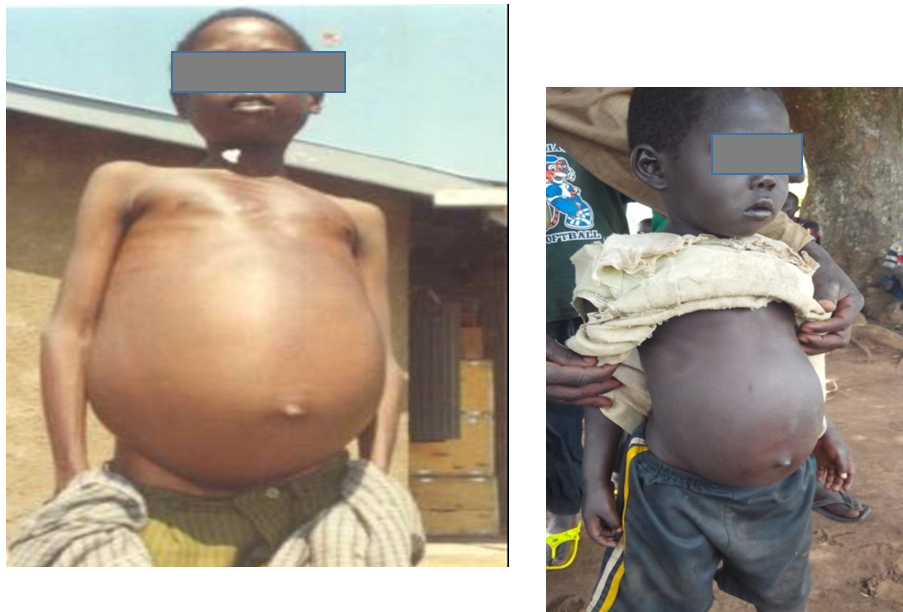
Schistosomiasis (Bilharzia) Program
The Nyange Schistosomiasis program covers research and interventions. Some of the interventions include mass drug administration and vector control.
Evidence-based research and community interventions targeting neglected tropical diseases, vector-borne illnesses, and other public health priorities across Uganda and Eastern Africa.
The Nyange Schistosomiasis program covers research and interventions. Some of the interventions include mass drug administration and vector control.
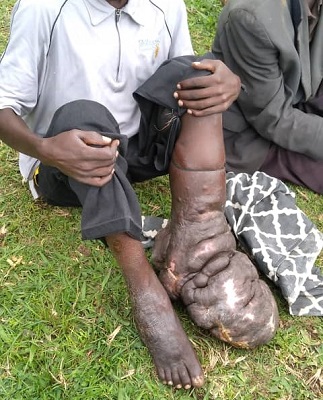
The Nyange Lymphatic Filariasis interventions include mass drug administration and vector control.
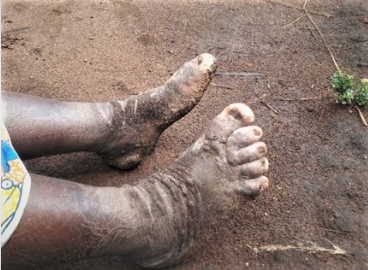
Podoconiosis (nonfilarial elephantiasis), a disease of the lymphatic vessels of the lower extremities that is caused by chronic exposure to irritant soils.
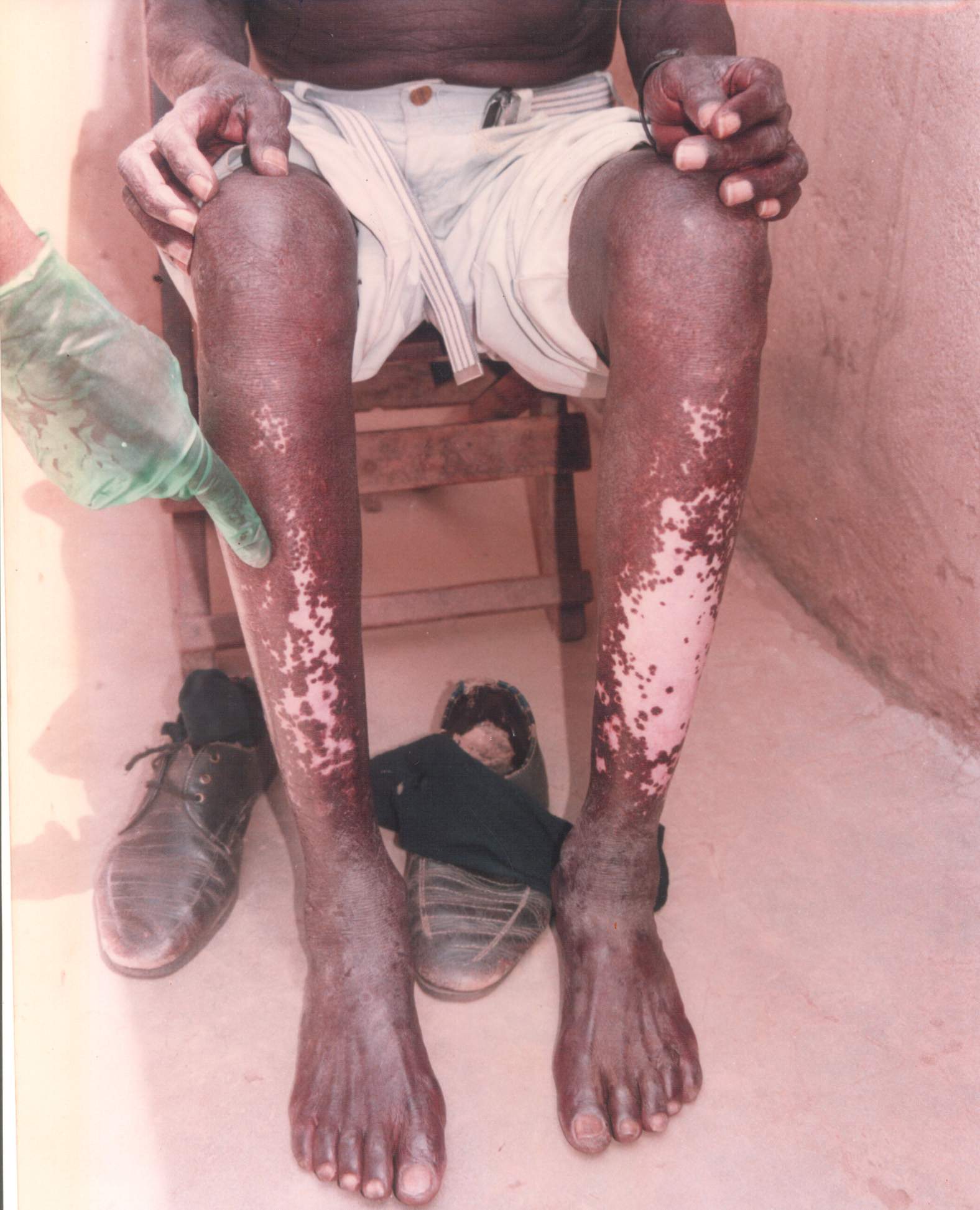
The Nyange Onchocerciasis program covers research and interventions. Some of the interventions include mass drug administration and vector control.
Malaria is a life-threatening disease spread from a person to another person by some types of mosquitoes. It is mostly transmitted in tropical countries. It is preventable and curable. The infection is caused by a parasite and does not spread from person to person.
It is a bacterial disease that is transmissible through air. It attacks all the body parts, but lung TB is the most widespread. Tuberculosis (TB) is a major health challenge in Uganda, and the country is one of the world's high-burden countries. In 2022, the World Health Organization (WHO) estimated that 94,000 people in Uganda had TB, which is 198 cases per 100,000 population. TB mortality was estimated at 1,900 among HIV-negative persons, with an additional 2,800 deaths among people living with HIV (PLHIV).
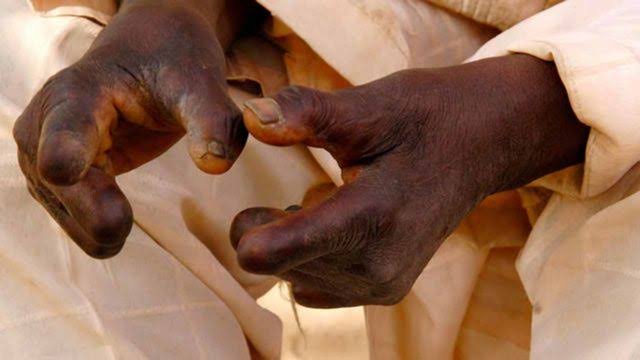
The disease is caused by slow-growing bacteria called Mycobacterium leprae and Mycobacterium lepromatosis. The disease can affect the nerves, skin, eyes, and lining of the nose. Leprosy is endemic in Uganda, and while it was eliminated as a public health problem in 1994, new cases are still reported. Prevention of spread is early diagnosis and adherence to treatment.